
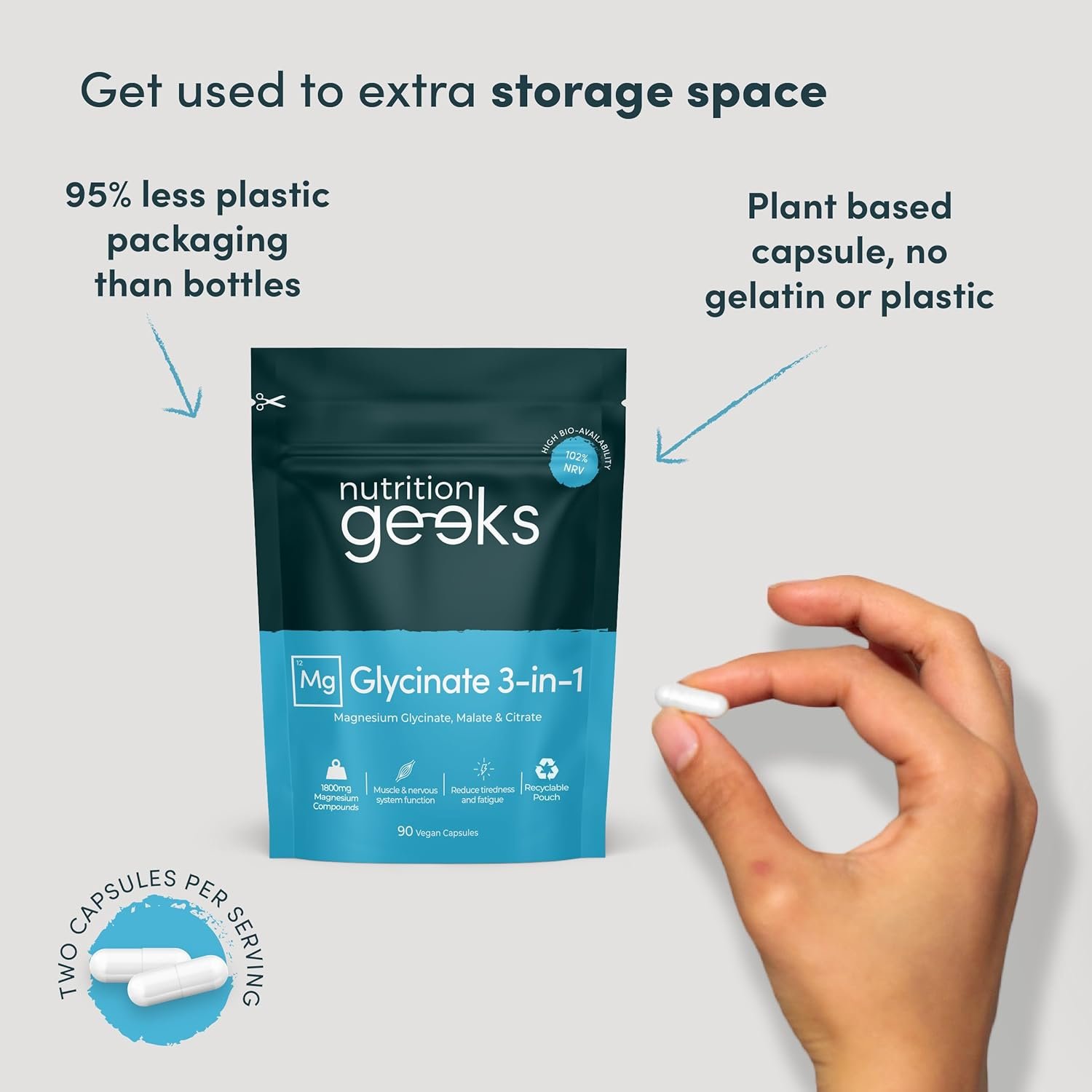
Why Buy Magnesium Glycinate 3-in-1 Complex 1800mg Supplements as Bisglycinate
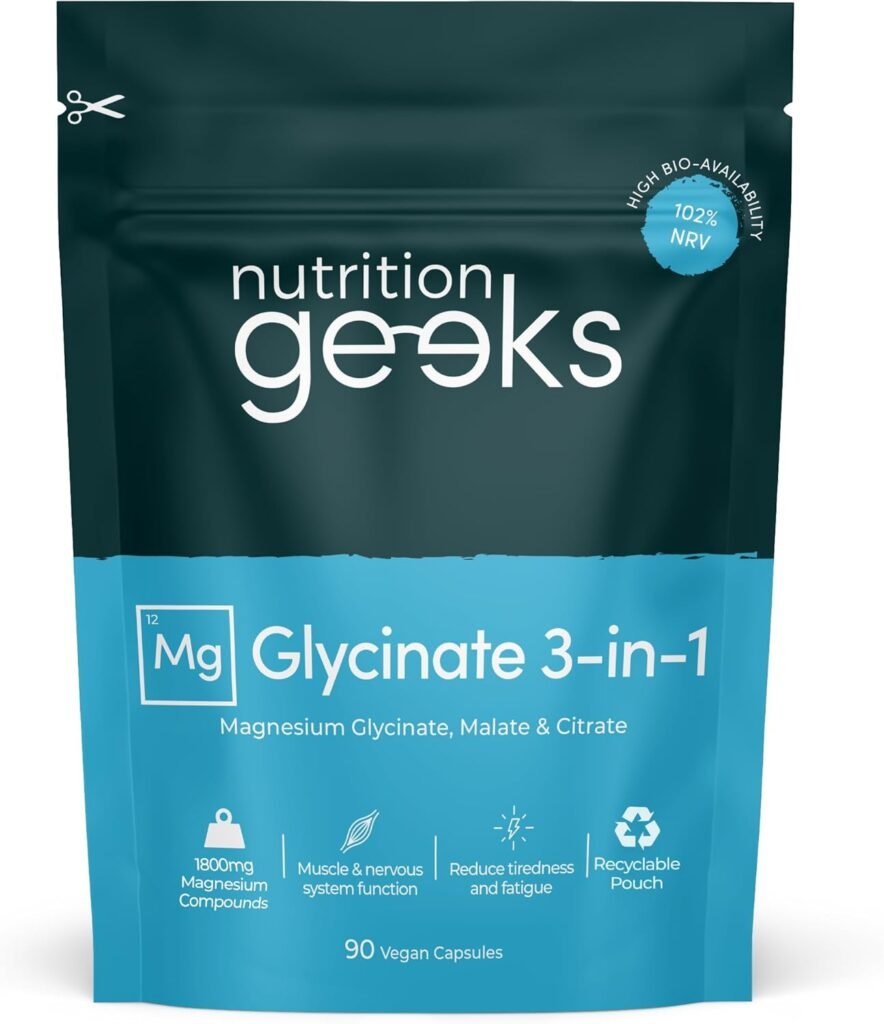
Magnesium Glycinate 3-in-1 Complex supplements offer a highly absorbable form of magnesium that your body can actually use. This 1800mg bisglycinate formula targets health-conscious adults, athletes, and anyone dealing with sleep issues, muscle cramps, or stress who wants better results than standard magnesium supplements provide.
These advanced supplements combine three forms of magnesium in one convenient dose, making them easier on your stomach while delivering more benefits. We’ll break down how the 3-in-1 complex works differently from regular magnesium pills and why the bisglycinate form absorbs so much better in your digestive system. You’ll also learn the right dosage and timing to get the most from your supplement without the digestive upset that cheaper magnesium options often cause.
Understanding Magnesium Glycinate and Its Superior Absorption

What Makes Bisglycinate Form Different from Regular Magnesium
Magnesium bisglycinate represents a breakthrough in mineral supplementation technology. Unlike standard magnesium forms such as oxide or sulfate, bisglycinate bonds magnesium to two glycine amino acids through a process called chelation. This creates a protective ring around the magnesium ion, essentially disguising it from your digestive system’s typical mineral processing pathways.
Regular magnesium supplements often compete with other minerals for absorption sites in your intestines. They also require adequate stomach acid levels to break down properly, which explains why many people experience digestive upset or poor absorption rates with conventional forms. The bisglycinate structure eliminates these absorption barriers entirely.
The glycine amino acids serve as molecular escorts, carrying magnesium directly through your intestinal wall via amino acid transporters rather than mineral transporters. This means your body recognizes the supplement as an amino acid compound, not a mineral salt, resulting in absorption rates up to 90% compared to just 4% for magnesium oxide.
How Chelated Magnesium Bypasses Digestive Issues
The chelation process creates a stable molecular complex that remains intact throughout your digestive journey. When you take regular magnesium supplements, they immediately encounter stomach acid, food particles, and other minerals that can interfere with absorption. Many forms also draw water into your intestines, causing the uncomfortable laxative effects that plague magnesium users.
Chelated magnesium glycinate travels through your stomach without breaking apart, remaining protected until it reaches your small intestine. The amino acid transporters recognize the glycine molecules and actively transport the entire complex across the intestinal membrane. This targeted delivery system prevents the mineral from irritating your digestive tract or competing with other nutrients.
Your body processes chelated magnesium at a controlled rate, eliminating the sudden influx that causes digestive distress. The gentle absorption pattern means you can take larger doses without experiencing cramping, loose stools, or nausea that commonly occur with other magnesium forms.
Why 1800mg Dosage Provides Optimal Daily Support
The 1800mg dosage refers to the total magnesium glycinate complex weight, not elemental magnesium content. Each molecule consists of one magnesium atom bonded to two glycine molecules, so the actual elemental magnesium typically ranges between 180-200mg per 1800mg serving. This amount aligns perfectly with recommended daily allowances while accounting for individual absorption variations.
Most adults require 300-420mg of elemental magnesium daily, but absorption rates vary significantly between individuals based on digestive health, age, and existing deficiency levels. The 1800mg complex provides enough elemental magnesium to meet daily needs even in people with compromised absorption, while the superior bioavailability ensures efficient utilization.
This dosage also supports the body’s natural magnesium cycling. Your cells constantly exchange magnesium with blood plasma, and maintaining adequate levels requires consistent daily intake. The gentle, sustained release provided by the glycinate form allows for steady cellular uptake throughout the day, supporting everything from muscle function to sleep quality without overwhelming your system.
The 3-in-1 Complex Advantage for Maximum Health Benefits

Enhanced Sleep Quality and Relaxation Support
Magnesium glycinate’s calming properties come from its ability to regulate the nervous system and promote the production of GABA, the brain’s primary inhibitory neurotransmitter. When your body has adequate magnesium levels, it can naturally wind down at bedtime, leading to deeper, more restorative sleep cycles. The 3-in-1 complex format delivers this relaxation support through multiple pathways.
The glycinate form specifically crosses the blood-brain barrier more effectively than other magnesium compounds, allowing direct interaction with sleep-regulating mechanisms. Users often report falling asleep faster and experiencing fewer nighttime awakenings. The compound also helps regulate melatonin production, your body’s natural sleep hormone, creating a more consistent sleep-wake cycle.
Beyond sleep initiation, magnesium glycinate supports muscle relaxation throughout the night. Tense muscles can disrupt sleep quality, causing restlessness and frequent position changes. The mineral’s muscle-relaxing properties help maintain physical comfort, contributing to uninterrupted rest periods.
Muscle Recovery and Cramp Prevention
Athletic performance and muscle health depend heavily on proper magnesium levels. The 3-in-1 complex provides concentrated support for muscle function, recovery, and cramp prevention through several biological mechanisms.
Muscle contractions require a delicate balance between calcium and magnesium. When magnesium levels drop, muscles can remain in a contracted state, leading to painful cramps and spasms. The bisglycinate form ensures rapid absorption, quickly restoring this mineral balance and preventing involuntary muscle contractions.
Post-exercise recovery benefits include:
- Reduced muscle soreness and inflammation
- Faster protein synthesis for muscle repair
- Improved energy production at the cellular level
- Enhanced removal of metabolic waste products
The 1800mg dosage provides substantial support for active individuals who deplete magnesium through sweat and increased metabolic demands. Athletes and fitness enthusiasts particularly benefit from the sustained release properties of the complex formula.
Bone Health and Calcium Absorption Enhancement
Strong bones require more than just calcium – magnesium plays a crucial role in bone mineralization and calcium metabolism. The 3-in-1 complex supports skeletal health through multiple pathways that work synergistically with other bone-building nutrients.
Magnesium activates vitamin D, which is essential for calcium absorption in the intestines. Without adequate magnesium, your body cannot properly utilize dietary calcium, regardless of intake levels. This creates a cascade effect where calcium deficiency symptoms may persist even with calcium supplementation.
The mineral also regulates parathyroid hormone, which controls calcium release from bones. Proper magnesium levels help maintain the right balance between calcium storage and availability, preventing excessive bone demineralization while ensuring adequate calcium for other bodily functions.
Key bone health benefits include:
- Improved bone density measurements
- Better calcium utilization efficiency
- Reduced risk of stress fractures
- Enhanced collagen synthesis for bone matrix
Nervous System Function and Stress Management
The nervous system relies on magnesium for proper neurotransmitter function and stress response regulation. The 3-in-1 complex provides comprehensive support for mental clarity, emotional balance, and stress resilience.
Magnesium acts as a natural calcium channel blocker, preventing excessive neural stimulation that can lead to anxiety and stress responses. This regulation helps maintain calm mental states during challenging situations. The glycinate form specifically supports serotonin production, contributing to mood stability and emotional well-being.
Chronic stress depletes magnesium stores rapidly, creating a cycle where stress leads to deficiency, which increases stress sensitivity. The high-potency complex helps break this cycle by replenishing depleted stores and supporting the body’s natural stress adaptation mechanisms.
Cognitive benefits include improved focus, better memory consolidation, and reduced mental fatigue. Many users report enhanced ability to handle daily stressors and improved overall mental resilience with consistent supplementation.
Bioavailability and Gentle Digestion Benefits

No Stomach Upset or Laxative Effects
Magnesium glycinate stands out from other magnesium forms because it doesn’t cause the digestive drama that many people experience with traditional supplements. While magnesium oxide and citrate can send you running to the bathroom with uncomfortable cramping and loose stools, glycinate’s chelated structure makes it incredibly gentle on your digestive system.
The secret lies in how your body processes this form. When magnesium is bound to glycine (an amino acid), it creates a protective shield around the mineral. This prevents the harsh interaction with stomach acid that typically causes irritation. Your intestines recognize the glycine carrier and welcome it through the absorption pathway without triggering the osmotic effect that leads to laxative responses.
Most people can take their full dose without any stomach discomfort, even on an empty stomach. This makes it perfect for those who need consistent magnesium intake but have struggled with other forms in the past.
Higher Absorption Rate Compared to Oxide Forms
The absorption difference between magnesium glycinate and oxide forms is remarkable. Studies show that chelated magnesium achieves absorption rates of 20-30%, while magnesium oxide barely reaches 4-10%. This means you’re getting significantly more bang for your buck with every capsule.
| Magnesium Form | Absorption Rate | Bioavailability |
|---|---|---|
| Magnesium Glycinate | 20-30% | High |
| Magnesium Oxide | 4-10% | Low |
| Magnesium Citrate | 15-20% | Moderate |
Your body treats glycinate like a VIP guest. The amino acid carrier acts like a personal escort, guiding magnesium through your intestinal walls and into your bloodstream where it can actually do its job. Oxide forms, on the other hand, face resistance at every turn, with most of the mineral ending up wasted.
This superior absorption means you need smaller doses to achieve the same therapeutic effects. A 400mg dose of glycinate can deliver more usable magnesium than 800mg of oxide.
Better Tolerance for Sensitive Digestive Systems
People with irritable bowel syndrome, gastritis, or general digestive sensitivity often avoid magnesium supplements because they’ve had bad experiences. Glycinate changes that game completely. The gentle nature of this chelated form makes it accessible to virtually everyone, including those with the most reactive digestive systems.
The glycine component actually provides additional benefits beyond just protecting the magnesium. Glycine supports gut lining health and can help calm inflammatory responses in the digestive tract. This creates a win-win situation where you’re not only avoiding irritation but actively supporting digestive wellness.
Many people with Crohn’s disease, ulcerative colitis, or chronic digestive issues find they can finally maintain adequate magnesium levels without triggering flare-ups. The stable absorption profile means consistent benefits without the unpredictable digestive responses that plague other forms.
Even children and elderly individuals, who often have more sensitive systems, typically handle magnesium glycinate without issues. This makes it an excellent choice for families looking for one supplement that works for everyone.
Optimal Dosage Guidelines and Timing Recommendations

How to Split 1800mg Throughout the Day
Dividing your 1800mg magnesium glycinate dose across multiple servings prevents digestive discomfort and maximizes absorption. Your body can only process about 350-400mg of magnesium at once, so splitting the dose makes perfect sense.
The most effective approach involves taking 600mg three times daily with meals. This timing works because food slows absorption, reducing the chance of loose stools while helping your body use the magnesium more efficiently. Space these doses at least 4-6 hours apart to maintain steady magnesium levels throughout the day.
For people with sensitive stomachs, starting with 300mg twice daily for the first week allows your digestive system to adjust. You can then gradually increase to the full 1800mg dose over 2-3 weeks. This gentle approach prevents the digestive upset that sometimes occurs when jumping straight into high doses.
Best Times to Take for Sleep and Recovery
Taking magnesium glycinate 1-2 hours before bedtime provides the best sleep support. This timing allows the supplement to begin working as your natural melatonin production increases. Many users find that 600-900mg taken around 8-9 PM helps them fall asleep faster and experience deeper, more restorative sleep.
For muscle recovery after workouts, take 600mg within 30 minutes of finishing your exercise routine. This post-workout dose supports muscle relaxation and helps reduce next-day soreness. Athletes often benefit from an additional 300-600mg dose 2 hours before training to prevent muscle cramps and support energy production.
If you’re dealing with stress or anxiety, morning doses of 300-600mg can help regulate your nervous system throughout the day. This creates a calming foundation that makes evening doses even more effective for sleep.
Combining with Other Supplements Safely
Magnesium glycinate plays well with most supplements, but timing matters for optimal absorption. Take it at least 2 hours away from calcium supplements, as these minerals compete for absorption pathways. The same rule applies to iron supplements.
Combining magnesium with vitamin D3 and K2 creates a powerful bone health trio. These nutrients work together synergistically, with magnesium helping activate vitamin D and supporting proper calcium utilization. Take these together with a meal containing healthy fats for best absorption.
Zinc supplements should be separated from magnesium by at least 2 hours to prevent absorption interference. However, magnesium pairs beautifully with B-complex vitamins, especially B6, which helps with magnesium utilization at the cellular level.
| Supplement | Timing with Magnesium | Benefits |
|---|---|---|
| Vitamin D3 + K2 | Take together | Bone health synergy |
| B-Complex | Take together | Enhanced absorption |
| Calcium | Separate by 2+ hours | Prevents competition |
| Iron | Separate by 2+ hours | Avoids interference |
| Zinc | Separate by 2+ hours | Optimal absorption |
Adjusting Dosage Based on Individual Needs
Your ideal magnesium dose depends on several factors including body weight, activity level, stress, and existing deficiency. People over 200 pounds or highly active individuals often need the full 1800mg dose, while smaller or sedentary people might thrive on 1200-1500mg daily.
Signs you might need to increase your dose include continued muscle cramps, restless sleep, or persistent stress symptoms after 2-3 weeks of consistent use. Conversely, if you experience loose stools or digestive discomfort, reduce your dose by 300-600mg and increase more gradually.
Women during menstruation or menopause often benefit from higher doses due to increased magnesium losses. Pregnancy and breastfeeding also increase magnesium needs, though you should consult your healthcare provider before adjusting doses during these times.
Monitor your response over 4-6 weeks to find your sweet spot. Keep a simple log noting sleep quality, energy levels, and any muscle tension. This helps you identify the dose that provides maximum benefits without side effects. Some people find they need seasonal adjustments, requiring higher doses during stressful periods or intense training phases.
Quality Factors and What to Look for in Supplements
Third-Party Testing and Purity Standards
When shopping for magnesium glycinate supplements, third-party testing serves as your first line of defense against inferior products. Look for certifications from respected organizations like NSF International, USP (United States Pharmacopeia), or ConsumerLab. These independent laboratories verify that what’s listed on the label actually matches what’s inside the bottle.
The testing process examines heavy metals, pesticides, microorganisms, and potency levels. Quality manufacturers willingly submit their products for this scrutiny and display certification logos prominently on their packaging. If you can’t find testing information easily, that’s often a red flag.
Key certifications to look for:
- NSF International certification
- USP Verified mark
- ConsumerLab approval
- Good Manufacturing Practice (GMP) compliance
Capsule vs Tablet Forms for Better Absorption
The delivery method significantly impacts how well your body absorbs magnesium glycinate. Capsules generally outperform tablets for several reasons. They dissolve faster in your stomach, allowing the magnesium to become available for absorption more quickly.
Tablets require binding agents and compression, which can create a harder matrix that your digestive system struggles to break down completely. Some tablets pass through your system partially intact, wasting the magnesium content you paid for.
Capsule advantages:
- Faster dissolution time (15-30 minutes vs 30-60+ minutes for tablets)
- Fewer binding agents required
- Better bioavailability
- Less likelihood of causing digestive upset
Powder forms mixed with water offer the fastest absorption but sacrifice convenience. Liquid supplements work well too, though they’re often more expensive per serving.
Avoiding Harmful Fillers and Additives
Reading ingredient lists becomes crucial when selecting high-quality magnesium glycinate. Many manufacturers pad their formulas with unnecessary fillers, artificial colors, and preservatives that can interfere with absorption or cause adverse reactions.
Ingredients to avoid:
- Magnesium stearate in excessive amounts (small quantities are acceptable)
- Artificial colors (Red 40, Blue 2, etc.)
- Titanium dioxide
- Carrageenan
- High fructose corn syrup
- Hydrogenated oils
Acceptable ingredients:
- Vegetable cellulose (capsule material)
- Rice flour (minimal amounts as anti-caking agent)
- Silicon dioxide (small quantities)
- Natural flavoring (for chewables)
Clean formulations typically contain just a few ingredients: magnesium glycinate, the capsule material, and maybe one natural flow agent. The shorter the ingredient list, the better.
Verifying Actual Elemental Magnesium Content
Here’s where many people get confused. Supplement labels often display the total weight of the magnesium compound, not the actual magnesium content your body can use. Magnesium glycinate contains roughly 14% elemental magnesium by weight.
If a label claims “1800mg magnesium glycinate,” you’re actually getting approximately 252mg of elemental magnesium. Reputable manufacturers clearly state both figures on their labels. Watch out for companies that only list the compound weight to make their product appear more potent.
Label transparency checklist:
- Both compound weight and elemental magnesium clearly stated
- Serving size information matches your needs
- Daily value percentage based on elemental magnesium
- No ambiguous terms like “magnesium complex” without specifics
| Compound Amount | Elemental Magnesium | % Daily Value |
|---|---|---|
| 1000mg | 140mg | 35% |
| 1500mg | 210mg | 52% |
| 1800mg | 252mg | 63% |
Always calculate the elemental magnesium content before comparing prices between brands. A cheaper supplement with lower elemental magnesium content might actually cost more per effective dose.

Magnesium glycinate stands out as one of the most effective forms of magnesium supplementation, especially when paired with a well-designed 3-in-1 complex that maximizes your health benefits. The superior absorption rate and gentle nature on your digestive system make it an excellent choice for anyone looking to address magnesium deficiency without the uncomfortable side effects that often come with other forms. Getting the right dosage and timing can make all the difference in how your body responds to supplementation.
When choosing your magnesium glycinate supplement, focus on quality markers like third-party testing, proper labeling, and reputable manufacturing practices. A high-quality 1800mg bisglycinate complex can support everything from better sleep and muscle function to improved mood and bone health. Start with the recommended dosage, pay attention to how your body responds, and consider consulting with a healthcare provider to create the best supplementation plan for your individual needs.